Mental health treatments have evolved significantly over the past two decades. Among modern, non-invasive therapies, repetitive Transcranial Magnetic Stimulation (rTMS) stands out as an innovative brain-based approach.
But one of the most common questions patients ask is: how rTMS works inside the brain?
Understanding the science behind rTMS can help reduce fear, build confidence, and clarify what to expect from this advanced therapy. In this guide, we explain the mechanism of action, the neurological effects, and why it is different from conventional treatment approaches.
What Is rTMS?
Repetitive Transcranial Magnetic Stimulation (rTMS) is a non-invasive brain stimulation technique that uses controlled magnetic pulses to activate specific areas of the brain.
Unlike surgical procedures, rTMS:
- Requires no anesthesia
- Does not involve implants
- Does not introduce medication into the bloodstream
It works externally through magnetic energy that safely passes through the scalp and skull to influence brain activity.
Now let’s explore in detail how rTMS works at the neurological level.
How rTMS Works in the Brain?
To understand how rTMS works, we need to look at basic brain communication.
The brain functions through billions of nerve cells (neurons) that communicate using electrical signals. In certain mental health conditions, specific brain regions become either underactive or overactive, leading to mood imbalance, cognitive issues, or emotional dysregulation.
rTMS is designed to restore this balance.
Magnetic Pulses and Electromagnetic Induction
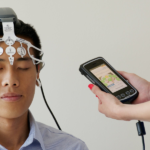
rTMS uses a specialized electromagnetic coil placed gently against the scalp. When activated, the coil produces short magnetic pulses.
These pulses:
- Pass painlessly through the skull
- Generate small electrical currents in targeted brain tissue
- Stimulate neurons in specific regions
This process is based on a well-established scientific principle called electromagnetic induction.
The stimulation helps reactivate areas of the brain that may not be functioning optimally.
Targeting Specific Brain Regions
One of the most commonly targeted areas during rTMS therapy is the prefrontal cortex, a region associated with:
- Mood regulation
- Decision-making
- Emotional processing
- Motivation
In individuals experiencing depression or related disorders, this region often shows reduced activity.
rTMS works by delivering repeated pulses to this area, gradually encouraging more normalized neural activity.
Repetition and Brain Circuit Resetting
The “repetitive” aspect of rTMS is crucial.
A single pulse would not produce long-term effects. Instead, repeated pulses delivered over multiple sessions help:
- Strengthen neural pathways
- Improve communication between brain regions
- Promote healthier brain circuit patterns
Over time, this process may help restore functional connectivity within mood-regulating networks.
Neuroplasticity: The Key to Long-Term Improvement
A major reason why rTMS can produce sustained benefits lies in neuroplasticity.
Neuroplasticity refers to the brain’s ability to reorganize itself by forming new neural connections. When specific circuits are stimulated repeatedly:
- Synaptic connections become stronger
- Brain signaling becomes more efficient
- Maladaptive patterns may weaken
This gradual rewiring process is what contributes to lasting changes in brain function.
Understanding neuroplasticity is central to explaining how rTMS works beyond temporary stimulation.
What Happens During an rTMS Session?
From a technical perspective, a typical session includes:
- Placement of the magnetic coil over a predetermined brain region
- Delivery of controlled pulses in specific frequencies
- Monitoring for comfort and response
Patients remain awake and seated during the procedure.
The tapping sensation felt on the scalp corresponds to the magnetic pulses being delivered. There is no need for sedation, and normal activities can usually resume afterward.
How rTMS Differs From Medication?
Many people also want to understand how rTMS works compared to antidepressant medications.
Here’s a simplified comparison:
Medication
Travels through the bloodstream
Affects multiple areas of the brain and body
May produce systemic side effects
rTMS
- Directly stimulates a specific brain region
- Does not circulate in the body
- Is localized and non-systemic
Rather than altering chemical levels globally, rTMS influences electrical activity in targeted circuits.
Conditions Linked to Brain Circuit Dysregulation
Research into brain-based disorders has shown that certain conditions involve dysfunctional neural pathways, including:
- Major depressive disorder
- Obsessive-compulsive disorder (OCD)
- Anxiety disorders
- Post-traumatic stress disorder (PTSD)
While treatment approaches vary, the common theme in these conditions is altered neural communication patterns — which helps explain why direct brain stimulation can be beneficial.
Frequently Asked Questions About How rTMS Works
How does rTMS stimulate the brain?
It uses magnetic pulses to induce small electrical currents in specific brain regions, activating underactive neurons.
Does rTMS permanently change brain activity?
It promotes neuroplastic changes that may last beyond the treatment period, though long-term outcomes vary by individual.
Is rTMS painful?
Most individuals describe a mild tapping sensation on the scalp rather than pain.
How long does it take for rTMS to show effects?
Brain changes develop gradually over multiple sessions, as repeated stimulation strengthens neural pathways.
Does rTMS affect the entire brain?
No. It targets carefully selected areas associated with mood and cognitive regulation.
When Should Someone Consider Learning More About rTMS?
If traditional treatments have not provided sufficient improvement, understanding alternative approaches can be empowering.
Because rTMS works by directly influencing brain circuits, it represents a different therapeutic pathway compared to medication alone.
Speaking with a qualified mental health professional Dr Anjali Nagpal can help determine whether brain stimulation therapy may be appropriate based on individual symptoms and medical history.
If you would like to explore clinical rTMS therapy options, you can review detailed treatment information here:
rTMS treatment options
Conclusion
Understanding how rTMS works removes much of the mystery surrounding this advanced therapy.
At its core, rTMS is grounded in neuroscience. By using magnetic pulses to stimulate specific brain regions and promote neuroplasticity, it aims to restore healthier neural communication patterns.
As mental health science continues to evolve, treatments that directly target brain circuits represent an important step forward in personalized care.