
Best Treatment for OCD: What Actually Works?
Obsessive-Compulsive Disorder (OCD) is a complex mental health condition that affects millions of people worldwide. Persistent unwanted thoughts, urges, or fears can lead to repetitive behaviors that interfere with daily life, relationships, work, and emotional well-being.
One of the most common questions people ask is:
What is the best treatment for OCD?
The answer is encouraging. OCD is highly treatable when evidence-based therapies and professional guidance are used. The most effective treatment often involves a combination of specialized therapy, medication when appropriate, and ongoing support tailored to an individual’s symptoms.
In this guide, we’ll explore the most effective OCD treatments, how they work, and what to expect during the recovery process.
Understanding OCD Before Choosing Treatment
OCD involves two main components:
Obsessions
Obsessions are recurring unwanted thoughts, fears, or mental images that create anxiety.
Common examples include:
- Fear of contamination
- Fear of harming others
- Excessive doubt
- Need for symmetry or order
- Intrusive sexual or religious thoughts
Compulsions
Compulsions are repetitive behaviors or mental rituals performed to reduce anxiety.
Examples include:
- Excessive hand washing
- Repeated checking
- Counting rituals
- Mental reassurance seeking
- Arranging objects repeatedly
Without treatment, these cycles can become increasingly disruptive and difficult to manage.
Best OCD Treatment
According to mental health specialists worldwide, Exposure and Response Prevention (ERP) is widely considered the gold-standard treatment for OCD.
However, the best treatment depends on:
- Severity of symptoms
- Type of OCD
- Presence of anxiety or depression
- Previous treatment history
- Individual response to therapy
For many individuals, a personalized treatment plan combining ERP, Cognitive Behavioral Therapy (CBT), and medication delivers the best results.
1. Exposure and Response Prevention (ERP): The Gold Standard Treatment
ERP is a specialized form of Cognitive Behavioral Therapy specifically designed for OCD.
How ERP Works?
Patients are gradually exposed to situations that trigger obsessive thoughts while learning to resist compulsive behaviors.
For example:
A person with contamination OCD may touch a commonly used surface and practice avoiding excessive handwashing.
Over time, the brain learns that anxiety naturally decreases without performing rituals.
Benefits of ERP
- Reduces obsessive thoughts
- Weakens compulsive behaviors
- Improves emotional resilience
- Produces long-term symptom improvement
- Supported by extensive clinical research
ERP is often recommended as the first-line treatment for OCD.
2. Cognitive Behavioral Therapy (CBT)
CBT helps individuals recognize and challenge unhelpful thought patterns that contribute to anxiety and compulsions.
CBT Focuses On
- Identifying cognitive distortions
- Reducing catastrophic thinking
- Building healthier responses
- Managing emotional distress
While ERP is considered the most effective OCD-specific intervention, CBT provides important tools that support recovery.
3. Medication for OCD
Medication can be highly beneficial, especially for moderate to severe OCD.
Common Medications Used
Selective Serotonin Reuptake Inhibitors (SSRIs) are frequently prescribed, including:
- Fluoxetine
- Sertraline
- Fluvoxamine
- Escitalopram
When Medication May Be Recommended?
- Severe OCD symptoms
- Significant anxiety
- Depression alongside OCD
- Limited response to therapy alone
Medication is often most effective when combined with therapy rather than used independently.
4. Combined Therapy and Medication
Research consistently shows that many individuals achieve better outcomes when therapy and medication are used together.
A comprehensive treatment approach may help:
- Reduce symptom severity faster
- Improve treatment adherence
- Lower relapse risk
- Enhance overall functioning
This integrated approach is commonly recommended for moderate and severe OCD cases.
5. Acceptance and Commitment Therapy (ACT)
ACT helps individuals change their relationship with intrusive thoughts rather than attempting to eliminate them.
Key principles include:
- Mindfulness
- Psychological flexibility
- Values-based action
- Reduced avoidance behaviors
ACT may be used alongside ERP as part of a comprehensive treatment plan.
6. Family-Based OCD Treatment
Family members often unintentionally participate in OCD rituals by providing reassurance or accommodating compulsions.
Family-focused interventions help:
- Reduce accommodation behaviors
- Improve communication
- Support treatment goals
- Strengthen recovery outcomes
Family involvement can be especially beneficial for adolescents and young adults.
7. Advanced Treatment Options for Severe OCD
When traditional approaches do not provide sufficient improvement, specialists may consider advanced interventions.
Transcranial Magnetic Stimulation (TMS)
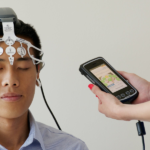
TMS uses magnetic pulses to stimulate targeted brain regions associated with OCD symptoms.
Intensive Outpatient Programs
Structured treatment programs provide multiple therapy sessions each week for individuals requiring additional support.
Specialized Psychiatric Care
Complex OCD cases may benefit from ongoing monitoring and advanced treatment planning by experienced mental health professionals.
How Long Does OCD Treatment Take?
Recovery timelines vary from person to person.
Several factors influence treatment duration:
- Symptom severity
- Type of OCD
- Consistency of therapy
- Treatment adherence
- Presence of co-occurring conditions
Many individuals begin noticing improvements within several weeks of structured treatment, while lasting recovery often develops through ongoing therapeutic work.
The goal is not perfection but meaningful symptom reduction and improved quality of life.
Can OCD Be Cured Permanently?
Many people experience substantial and long-lasting improvement through evidence-based treatment.
While OCD may remain a vulnerability for some individuals, effective therapy teaches skills that help prevent symptoms from controlling daily life.
With proper treatment, many people:
- Return to work confidently
- Improve relationships
- Reduce compulsions significantly
- Regain independence
- Enjoy a higher quality of life
Signs You Should Seek Professional OCD Treatment
Consider consulting an OCD specialist if:
- Obsessions consume significant time each day
- Compulsions interfere with work or school
- Anxiety feels overwhelming
- Relationships are affected
- Self-help strategies are no longer effective
- Symptoms continue to worsen
Early intervention often leads to better outcomes.
What to Expect During an OCD Assessment?
A comprehensive evaluation may include:
- Symptom review
- Clinical interviews
- Assessment of OCD severity
- Mental health history
- Treatment planning
The assessment helps clinicians determine the most appropriate treatment approach based on individual needs.
Why Choosing an OCD Specialist Matters?
OCD requires specialized treatment techniques that differ from general anxiety treatment.
Working with experienced OCD professionals can provide:
- Accurate diagnosis
- Evidence-based therapy
- Personalized treatment plans
- Ongoing progress monitoring
- Relapse prevention strategies
Specialized care often leads to better treatment outcomes and improved recovery experiences.
Frequently Asked Questions
What is the most effective treatment for OCD?
Exposure and Response Prevention (ERP) is widely regarded as the most effective evidence-based treatment for OCD.
Is medication necessary for OCD?
Not always. Some individuals respond well to therapy alone, while others benefit from combining therapy with medication.
Can OCD symptoms improve without treatment?
Symptoms may fluctuate, but professional treatment generally offers the best chance for significant and lasting improvement.
How successful is OCD treatment?
Many individuals experience substantial symptom reduction and improved quality of life through evidence-based treatment approaches.
Can severe OCD be treated?
Yes. Even severe OCD can improve with specialized therapy, medication, and advanced treatment options when necessary.
Take the First Step Toward OCD Recovery
Living with OCD can feel exhausting, but effective treatment is available. A personalized treatment plan that includes ERP, CBT, medication, or a combination of therapies can help reduce symptoms and improve daily functioning.
If OCD is affecting your life, seeking professional support is an important step toward recovery. Early intervention and evidence-based treatment can make a significant difference in long-term outcomes.