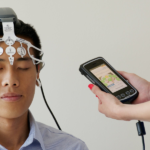

Stress has become a part of modern life. From work pressure and financial responsibilities to relationship challenges and emotional struggles, many people experience stress daily. While temporary stress can sometimes help improve focus and performance, chronic stress can seriously affect both mental and physical health if left unmanaged.
The long-term effects of stress are often underestimated. Persistent emotional strain can lead to anxiety, depression, sleep disturbances, burnout, weakened immunity, and even heart-related problems. Understanding the warning signs early can help prevent severe emotional and physical health complications.
In this guide, we will explore the major effects of stress, chronic stress symptoms, mental burnout signs, and practical ways to manage emotional stress before it affects your overall well-being.
What is Stress?
Stress is the body’s natural response to pressure, challenges, or threatening situations. When you encounter stressful circumstances, your body releases hormones like cortisol and adrenaline, preparing you to react quickly.
Short-term stress may help you:
- Stay alert
- Improve concentration
- Respond to emergencies
- Meet deadlines
However, when stress becomes constant and overwhelming, it can negatively impact the brain, emotions, and physical health.
Common Causes of Stress
Stress triggers vary from person to person, but some of the most common causes include:
- Work pressure and deadlines
- Financial difficulties
- Relationship conflicts
- Family responsibilities
- Academic pressure
- Health concerns
- Lack of sleep
- Social isolation
- Career uncertainty
- Emotional trauma
- Major life changes
When these stressors continue for long periods, they may contribute to chronic stress symptoms and emotional exhaustion.
Effects of Stress on Mental Health
Stress directly affects emotional stability, thinking patterns, mood, and behavior. Prolonged emotional stress can gradually impact mental health and daily functioning.
Anxiety and Overthinking
One of the most common emotional stress effects is persistent anxiety. Stress can cause:
- Excessive worrying
- Racing thoughts
- Fear and nervousness
- Difficulty relaxing
- Panic attacks
Chronic stress may increase the risk of developing anxiety disorders if emotional pressure remains unmanaged.
Depression and Emotional Exhaustion
Long-term stress can also contribute to feelings of hopelessness, sadness, and emotional burnout.
Symptoms may include:
- Lack of motivation
- Constant fatigue
- Emotional numbness
- Loss of interest in activities
- Low self-esteem
- Social withdrawal
Ignoring emotional stress for extended periods can affect personal relationships, work productivity, and overall happiness.
Mental Burnout
Mental burnout occurs when emotional and psychological stress becomes overwhelming.
Common Mental Burnout Signs
- Feeling mentally drained
- Constant exhaustion
- Reduced productivity
- Difficulty concentrating
- Lack of creativity
- Irritability and frustration
- Emotional detachment
- Sleep disturbances
Burnout is especially common among working professionals, caregivers, students, and individuals managing high-pressure responsibilities.
Sleep Problems and Insomnia
Stress often disrupts healthy sleep patterns.
People experiencing chronic stress may face:
- Difficulty falling asleep
- Frequent waking during the night
- Overthinking at bedtime
- Nightmares
- Poor sleep quality
Lack of sleep further worsens stress, creating a harmful cycle affecting both mental and physical health.
Effects of Stress on Physical Health
Stress does not only affect emotions—it can also impact the body in multiple ways.
Weakened Immune System
Chronic stress can weaken the immune system, making the body more vulnerable to:
- Frequent infections
- Colds and flu
- Fatigue
- Slower recovery from illness
People under constant stress may notice they fall sick more often than usual.
Heart and Blood Pressure Problems
One of the most serious effects of stress is its impact on heart health.
Stress can contribute to:
- Increased heart rate
- High blood pressure
- Chest tightness
- Increased risk of heart disease
Persistent emotional stress may also increase the risk of lifestyle-related health complications over time.
Digestive Issues
Stress commonly affects digestion and gut health.
Common Symptoms Include
- Stomach pain
- Acid reflux
- Bloating
- Appetite changes
- Irritable bowel symptoms
- Nausea
The connection between mental health and digestion is strong, which is why stress management is important for overall wellness.
Muscle Tension and Body Pain
Stress causes muscles to remain tense for extended periods.
This may result in:
- Neck pain
- Shoulder tension
- Back pain
- Headaches
- Migraines
- Jaw clenching
Physical discomfort caused by stress can further increase emotional frustration and fatigue.
Hormonal Imbalance
Long-term stress affects hormone regulation, which may impact:
- Energy levels
- Sleep quality
- Appetite
- Weight changes
- Reproductive health
Stress-related hormonal changes can also worsen mood swings and emotional instability.
Chronic Stress Symptoms You Should Never Ignore
Many people fail to recognize the warning signs of chronic stress until symptoms become severe.
Emotional Symptoms
Constant worrying
Mood swings
Irritability
Feeling overwhelmed
Emotional exhaustion
Anxiety and panic
Physical Symptoms
Frequent headaches
Fatigue Muscle pain
Digestive discomfort
Chest tightness
Sleep problems
Behavioral Symptoms
- Social withdrawal
- Poor concentration
- Increased alcohol or caffeine consumption
- Emotional eating
- Reduced productivity
- Lack of motivation
Recognizing these symptoms early can help prevent long-term mental health complications.
Stress vs Burnout – Understanding the Difference
Many people confuse stress with burnout, but they are different conditions.
Stress
Stress usually involves:
- Feeling overwhelmed
- Increased emotional pressure
- Temporary mental strain
- Anxiety about responsibilities
Burnout
Burnout is a state of emotional, mental, and physical exhaustion caused by prolonged stress.
Burnout often includes:
- Emotional numbness
- Loss of motivation
- Chronic exhaustion
- Feeling disconnected
- Reduced performance
If untreated, burnout may lead to anxiety disorders and depression.
How Stress Affects Relationships and Daily Life?
The effects of stress often extend beyond personal health.
Stress can impact:
- Communication
- Family relationships
- Workplace productivity
- Emotional availability
- Social interactions
- Decision-making ability
People experiencing chronic stress may become more irritable, emotionally distant, or less patient with others.
How to Manage Stress Effectively?
Managing stress early can significantly improve emotional and physical well-being.
Practice Healthy Sleep Habits
Quality sleep helps regulate emotions and reduce mental fatigue.
Helpful Sleep Tips
Maintain a regular sleep schedule
Reduce screen time before bed
Avoid caffeine late in the evening
Practice relaxation techniques
Exercise Regularly
Physical activity helps reduce stress hormones and improves mood naturally.
Even simple activities like:
- Walking
- Yoga
- Stretching
- Cycling
can positively affect emotional health.
Build Healthy Coping Mechanisms
Healthy coping strategies include:
- Meditation
- Deep breathing
- Journaling
- Spending time outdoors
- Talking to supportive people
- Limiting negative social media exposure
Maintain Work-Life Balance
Overworking without rest can increase emotional exhaustion and burnout.
Set healthy boundaries by:
- Taking regular breaks
- Managing workload realistically
- Prioritizing self-care
- Avoiding constant multitasking
Seek Professional Mental Health Support
If stress starts affecting your sleep, relationships, work, or emotional stability, professional guidance can help.
Mental health professionals can assist with:
- Stress management strategies
- Anxiety treatment
- Emotional regulation
- Burnout recovery
- Therapy and psychiatric support
Early intervention often improves long-term emotional wellness.
When Should You Seek Help for Stress?
You should consider seeking professional help if:
- Stress feels uncontrollable
- Anxiety affects daily functioning
- You experience panic attacks
- Sleep problems become severe
- Emotional exhaustion continues for weeks
- Relationships or work are affected
- You feel emotionally numb or hopeless
Seeking support is an important step toward protecting your mental and physical health.
Importance of Emotional Wellness
Mental and emotional wellness are essential for maintaining:
- Healthy relationships
- Productivity
- Confidence
- Physical health
- Better decision-making
- Long-term happiness
Managing stress effectively is not just about reducing pressure—it is about improving overall quality of life.
Frequently Asked Questions
What are the most common effects of stress?
Stress can affect both mental and physical health, causing anxiety, fatigue, headaches, sleep problems, digestive issues, emotional burnout, and high blood pressure.
What are chronic stress symptoms?
Common chronic stress symptoms include constant worrying, irritability, exhaustion, poor concentration, sleep disturbances, muscle tension, and emotional fatigue.
What are mental burnout signs?
Mental burnout signs include emotional exhaustion, lack of motivation, low productivity, mental fatigue, irritability, and feeling disconnected from work or personal life.
Can stress cause anxiety and depression?
Yes. Long-term stress can increase the risk of anxiety disorders, depression, panic attacks, and emotional instability if left untreated.
How can I reduce emotional stress naturally?
Healthy sleep, exercise, mindfulness, relaxation techniques, work-life balance, and emotional support can help reduce stress naturally.
When should I seek professional help for stress?
You should seek professional support if stress starts affecting your sleep, emotional health, relationships, work performance, or daily functioning.
Conclusion
Stress is a natural part of life, but chronic stress should never be ignored. The effects of stress on mental and physical health can gradually impact emotional stability, relationships, productivity, sleep, and overall well-being.
Recognizing chronic stress symptoms and mental burnout signs early can help prevent serious mental health complications. Taking steps toward stress management and seeking professional support when needed can improve emotional resilience and overall quality of life.
Prioritizing mental wellness is not a luxury—it is an essential part of maintaining a healthier and happier life.