When evaluating brain function, two commonly discussed about Brain Mapping vs EEG for Diagnosis. While they are related, they are not the same. Each serves a different purpose and provides different levels of insight into neurological activity.
If you’re trying to understand which method may be more suitable in a particular situation, this guide explains the differences clearly.
What Is EEG?
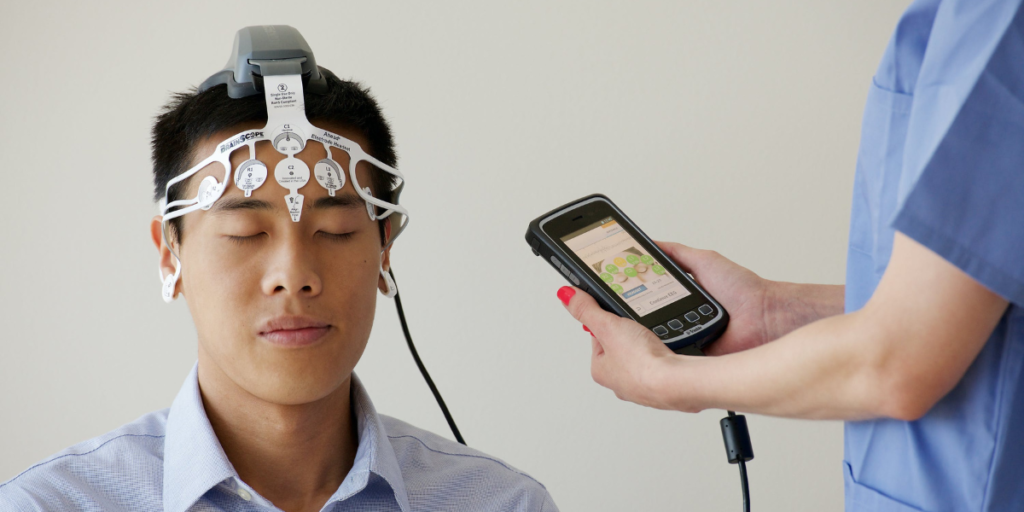
Electroencephalography (EEG) is a non-invasive procedure that records the electrical activity of the brain through sensors placed on the scalp. It captures brainwave patterns in real time.
EEG is widely used in clinical neurology and has been a standard diagnostic tool for decades.
EEG is commonly recommended for
- Epilepsy and seizure disorders
- Unexplained fainting spells
- Sleep disorders
- Brain injury evaluation
- Monitoring brain activity during surgery
EEG records raw electrical signals. A neurologist interprets these wave patterns to detect abnormalities such as spikes, slowing, or irregular rhythms.
What Is Brain Mapping?
Brain mapping is a more advanced analytical approach that evaluates brainwave activity in a structured and quantitative way. It uses EEG data but processes it through specialized software to create visual representations of brain function.
Instead of simply viewing waveforms, brain mapping compares brain activity to normative databases and highlights areas that differ from typical patterns.
This allows for deeper functional assessment of:
- Attention regulation
- Emotional processing
- Cognitive performance
- Stress response
- Behavioral patterns
Brain mapping is often used in integrative mental health and neuropsychological evaluations.
Brain Mapping vs EEG for Diagnosis
| Feature | EEG | Brain Mapping |
|---|---|---|
| Primary Function | Records electrical brain activity | Analyzes and visualizes brainwave data |
| Data Output | Raw waveforms | Quantitative maps and reports |
| Common Use | Seizures, epilepsy, acute neurological issues | Cognitive, emotional, and functional assessments |
| Depth of Analysis | Basic structural activity | Advanced pattern-based analysis |
| Interpretation | Manual review by specialist | Statistical comparison to normative databases |
Which One Is More Accurate?
Neither approach is “better” in general terms — they serve different purposes.
EEG is highly effective for detecting structural or acute electrical abnormalities such as seizure activity. It is often the first-line tool in neurological settings.
Brain mapping, on the other hand, provides a more detailed analysis of brainwave patterns and functional imbalances. It may offer deeper insight when evaluating cognitive performance, attention concerns, mood disorders, or stress-related symptoms.
The choice depends on what is being investigated.
When Is EEG Typically Recommended?
EEG is commonly used when there is concern about:
- Seizure disorders
- Sudden blackouts or loss of awareness
- Sleep abnormalities
- Post-traumatic brain injury
- Neurological infections
It helps detect abnormal electrical discharges and irregular brain rhythms.
When Is Brain Mapping Considered?
Brain mapping may be useful in situations involving:
- Attention difficulties
- Anxiety patterns
- Emotional dysregulation
- Learning challenges
- Chronic stress
- Behavioral concerns
Because it provides a broader functional picture, it can assist clinicians in understanding how different regions of the brain are communicating.
Can EEG and Brain Mapping Be Used Together?
Yes. In many cases, brain mapping uses EEG recordings as part of its data collection process. The difference lies in how the data is processed and interpreted.
A standard EEG captures electrical signals. Brain mapping takes similar signals and applies quantitative analysis to generate detailed visual insights.
Depending on the clinical goal, professionals may recommend one or a combination of both.
Conclusion: Understanding the Difference Matters
EEG focuses on detecting electrical abnormalities. Brain mapping focuses on analyzing patterns and functional brain activity. The decision between them depends entirely on the symptoms, medical history, and purpose of evaluation.
If you are exploring advanced brain function assessments, it’s important to consult a qualified mental health or neurological professional Dr Anjali Nagpal who can determine the most appropriate approach based on your needs.
Frequently Asked Questions
Which is better: EEG or brain mapping?
Neither is universally better. EEG is commonly used to detect abnormal electrical activity like seizures, while brain mapping provides a broader analysis of brainwave patterns for functional assessment. The choice depends on the clinical purpose.
Can brain mapping detect seizures?
Seizures are generally identified using standard EEG recordings. Brain mapping focuses more on pattern-based analysis of brain activity rather than diagnosing acute electrical abnormalities.
Can brain mapping diagnose ADHD?
It helps identify attention-related brainwave patterns that support ADHD diagnosis and treatment planning.
Take the Next Step Toward Clarity
Choosing between Brain Mapping vs EEG for Diagnosis should not delay treatment.
📞 Schedule Your Consultation at Serenity Clinic Today